Early Signs of Postpartum Anxiety or Depression: Affordable Therapy for Women
Becoming a mother can be one of the most joyful experiences in one’s life, but it can also be overwhelming for many new mums. A lot of women experience emotional and mental health challenges after giving birth. Postpartum anxiety and depression are common but often under-recognised conditions. The good news is that support is available, including affordable therapy for mothers, making early intervention accessible and extremely effective.
Understanding Postpartum Anxiety and Depression
Postpartum depression (PPD) or post natal depression affects approximately 1 in 5 women, while postpartum anxiety (PPA) impacts a similar number, according to research by the NHS.
It’s important to highlight that these conditions are, in no way, a reflection of your abilities as a parent. They are medical conditions that require the requisite attention and care.
Postpartum depression (PPD) often includes persistent sadness, feelings of hopelessness, low energy, and difficulty bonding with the baby.
Postpartum anxiety (PPA) may involve excessive worry, panic attacks, intrusive thoughts, or a constant sense of danger regarding the baby’s safety.
Although symptoms for both conditions can appear distinct, it’s quite common for women to experience both depression and anxiety after giving birth. Recognising symptoms early is a key part of the recovery journey. Seeking support, including therapy for postpartum depression, can improve outcomes for both mother and child.
“When my first baby was born, I felt like I was constantly on edge. I couldn’t sleep even when the baby did, and I kept worrying something would go wrong. It wasn’t until I spoke to a therapist that I realised I wasn’t failing as a parent. I was experiencing postpartum anxiety. The support made all the difference.”
- Anonymous new mother, London
Why Early Recognition Matters
Challenges with postpartum mental health can affect a mother’s well-being, her relationship with her baby, and family dynamics. Early recognition and intervention help with:
Faster recovery
Improved parent-child bonding
Reduced risk of chronic mental health issues
Ignoring symptoms or waiting for them to “go away” can prolong distress and make treatment more complicated than it would otherwise be.
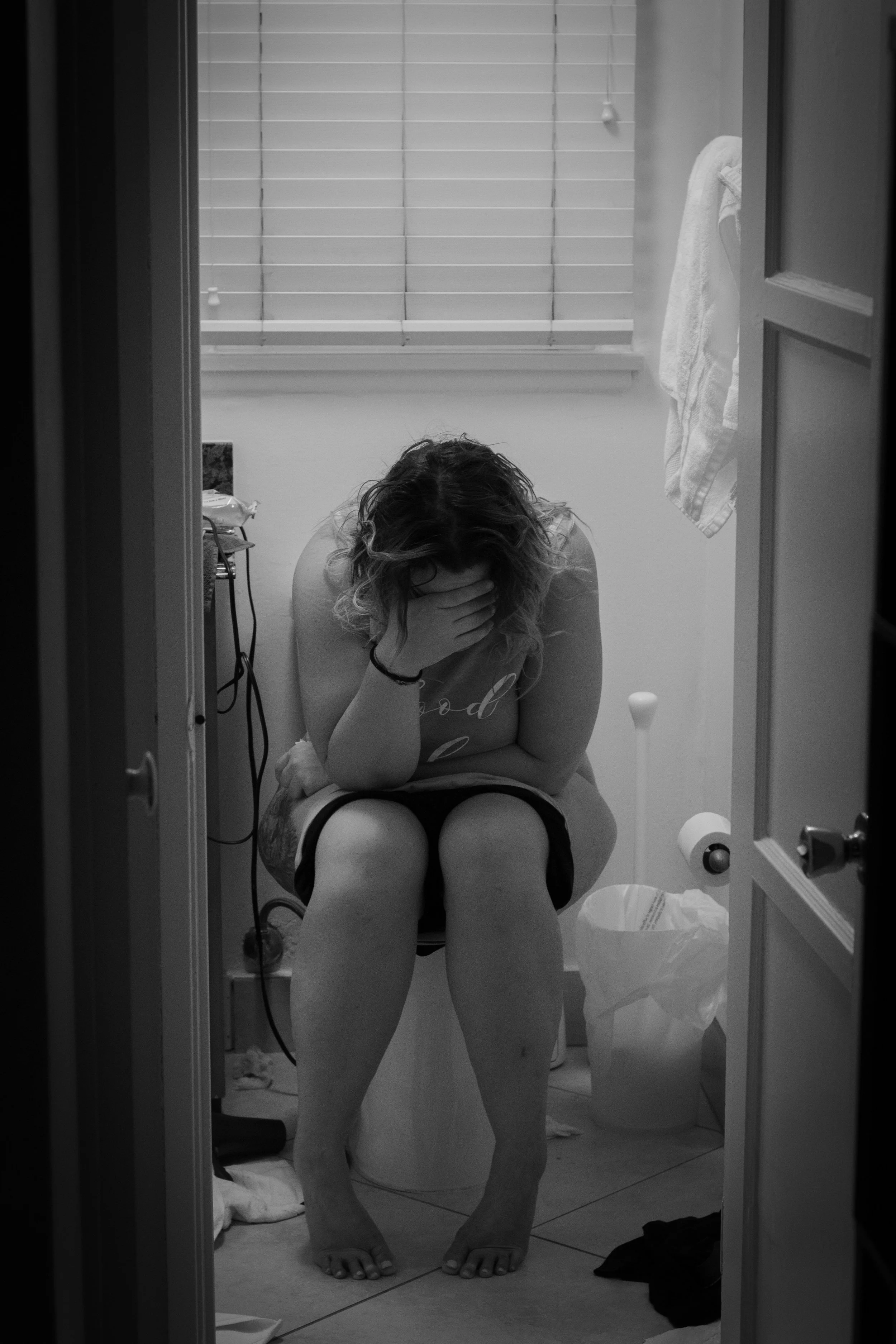
Early Warning Signs of Postpartum Anxiety or Depression
Being aware of early signs can help mothers and their families intervene before symptoms worsen. These signs can be emotional, behavioural, or cognitive.
Emotional Symptoms
Persistent sadness or tearfulness
Feeling overwhelmed, guilty, or hopeless
Irritability, anger, or frequent mood swings
Feeling detached or numb
Behavioural Symptoms
Difficulty bonding with your baby
Avoiding social interactions or isolating yourself
Changes in eating, sleeping, or daily routines
Neglecting self-care or household responsibilities
Cognitive Symptoms
Excessive worry or intrusive thoughts
Feeling incapable of coping with motherhood
Difficulty concentrating or making decisions
Feeling anxious about the baby’s safety constantly
Even mild symptoms should be taken seriously. Early support can prevent these feelings from worsening.
When to Seek Help
It is important to seek professional support if symptoms start to interfere with one’s daily life and routine. Critical warning signs could include:
Severe anxiety or panic attacks
Intense feelings of hopelessness or despair
In very extreme cases, thoughts of harming yourself or your baby
Reaching out early improves recovery and reduces the impact on both mother and child. Affordable postpartum therapy options, both online and in-person, make professional care accessible for every family.
“Early recognition, support and treatment can be a huge benefit to the health and wellbeing of the whole family unit.”
Coping Strategies and Support
Although therapy is recommended, there are other strategies to support mental health alongside professional care.
Daily Self-Care
Prioritise rest whenever possible; even short naps can help
Eat nutritious meals to support energy and mood
Engage in gentle exercise, such as walking, yoga, or stretching
Peer and Community Support
Connect with other mothers through support groups or online communities
Seek mentorship or guidance from experienced parents
Share feelings with trusted friends or family members
Professional Therapy Options
Online counselling platforms for women
Sliding-scale or low-cost local clinics
Subsidised programs through charities or NHS referrals
Combining professional help with peer support and self-care creates a strong foundation for recovery. Programs such as Circe’s group therapy sessions allow women to connect with peers and a licensed therapist in a safe, supportive environment, which can complement self care or more generalised talking therapies.
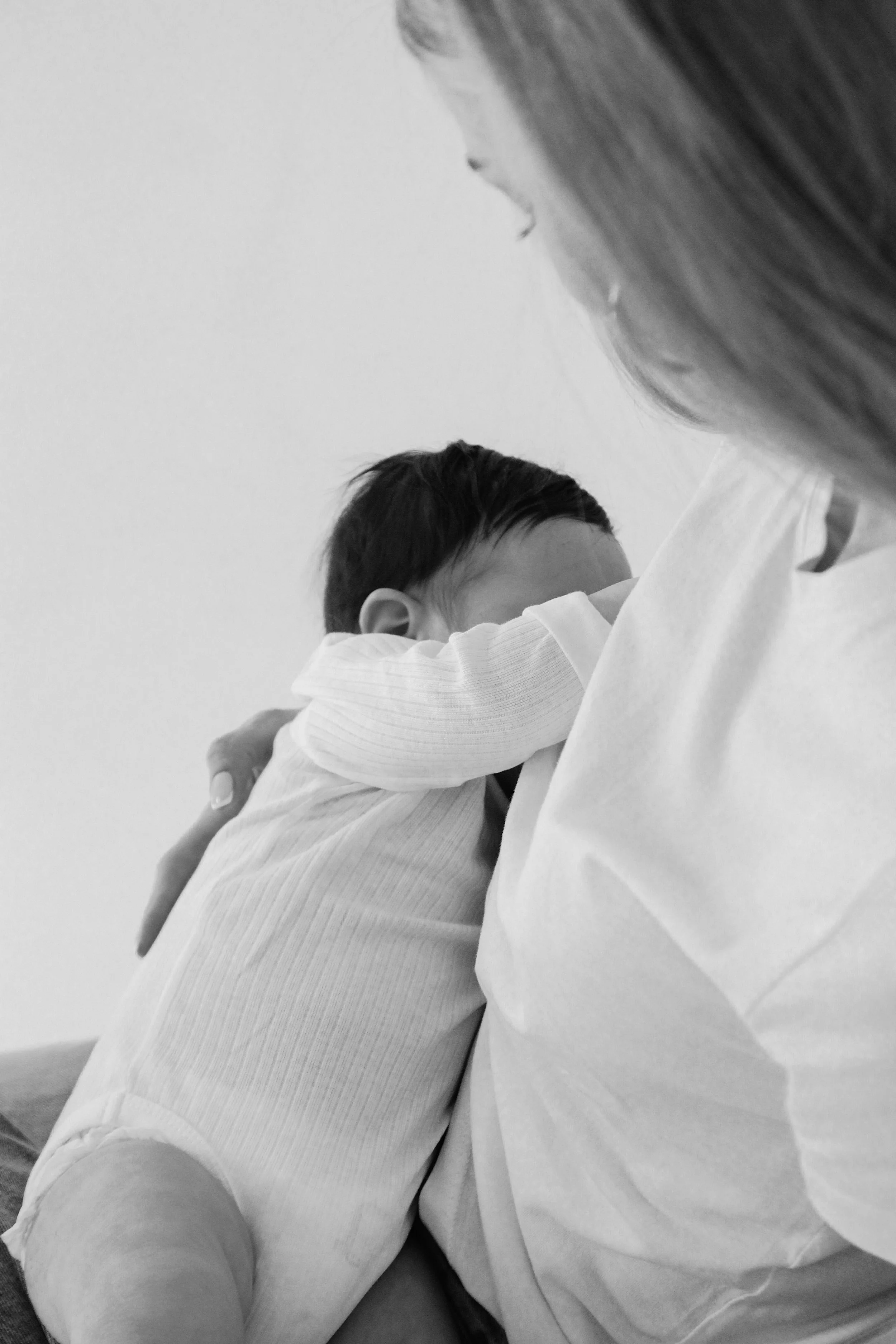
Affordable Postpartum Therapy for Mothers, UK 2025
A lot of women are hesitant to seek out therapy because of concerns around cost, but affordable options exist. Searching for terms such as affordable therapy for women, womens therapy affordable, or affordable womens therapy can help locate services that fit your budget.
Options to Consider
Many NHS trusts offer perinatal mental health services with no cost to the patient, although waiting lists can be significant. Check local NHS trust listings.
Charities such as PANDAS Foundation provide support groups, helplines, and subsidised therapy sessions across the UK.
Online therapy platforms can be a flexible a solution.
Sliding-scale clinics may offer fees adjusted according to income
Circe provides immediately available, supportive group therapy and curated peer sessions specially designed for women navigating postpartum anxiety or depression, making professional help more accessible, relevant and affordable.
Early therapy can help:
Reduce anxiety and depressive symptoms
Improve bonding with your baby
Provide tools to cope with motherhood challenges
Additional Resources for Support
We’ve added some trusted sources to explore further if you believe that you or a loved one may be struggling with postpartum anxiety or postpartum depression:
Mind – Postnatal Mental Health
PANDAS Foundation – Support for Anxiety and Depression after Birth
Circe - Offers group therapy, peer support, and resources specifically for women experiencing postpartum mental health challenges.
These resources offer practical support, guidance, and affordable therapy options for postpartum women.
Takeaway
Recognising the early signs of postpartum anxiety or depression is the first step toward healing. Support is available, and affordable therapy for mothers ensures that help is within reach. If you notice symptoms in yourself or someone you care about, reach out to a professional or a trusted support network - early action can make a huge difference.
FAQ: Early Signs of Postpartum Anxiety or Depression
What is the difference between postpartum anxiety and postpartum depression?
Postpartum depression usually involves persistent sadness, low energy, or feelings of hopelessness. Postpartum anxiety is more about excessive worry, fear, or racing thoughts. Some mothers experience both at the same time.
How soon after birth can postpartum depression or anxiety start?
Symptoms can appear anytime in the first year after delivery, though they often show up within the first few weeks. Early recognition is important for effective support and treatment.
Can therapy for postpartum mental health be affordable?
Yes. Many online platforms, NHS programs, charities, and sliding-scale clinics offer therapy that fits different budgets. Some mothers also find affordable postpartum group therapy or peer-support sessions helpful.
Are there self-help strategies I can try while waiting for therapy?
Yes, absolutely. Journaling, mindfulness exercises, gentle movement, connecting with other mothers, and structured peer support groups can help manage symptoms temporarily.
What are the common early signs of postpartum depression or anxiety?
Early signs can include persistent low mood, feeling constantly on edge, irritability, trouble sleeping even when the baby sleeps, loss of interest in usual activities, or frequent feelings of guilt or worry.
How can I tell if my feelings are “normal” postpartum stress or something more serious?
Occasional worry or tiredness is normal, but if symptoms are persistent, overwhelming, or affecting daily life, it may indicate postpartum anxiety or depression. Speaking to a healthcare professional is the safest way to know.
Is postpartum anxiety or depression common?
Yes. Studies show that around 1 in 5 new mothers experience some form of postpartum mental health challenge. Many women benefit from early support, therapy, or community groups.
Can support from family and partners help?
Strong yes. Emotional support, practical help with childcare, and understanding from partners, friends, or family can make a significant difference in recovery.
Are there online resources or apps for postpartum mental health?
Yes. Platforms like Circe offer specialised group therapy, peer support, and guided exercises specifically for mothers struggling with postnatal depression, while NHS and charitable organisations provide online advice and helplines, although waiting lines, thresholds and wait times here can be high, with some waiting up to 18 months to access care. These resources can supplement professional therapy.
How long does it take to feel better with therapy or support?
Recovery varies from person to person. Some mothers notice improvement within weeks of therapy or support groups, while others take longer. Consistency with treatment and support makes a big difference.
Can lifestyle changes help with postpartum mental health?
Yes. Regular sleep (as much as possible), balanced nutrition, gentle exercise, time outdoors, and social connection can all support mental wellbeing alongside therapy.
Can postpartum anxiety or depression affect bonding with my baby?
It can, but support and treatment often improve bonding. Even if you notice early difficulties, seeking help early helps both you and your baby.
How do I find a therapist who understands postpartum mental health?
Look for therapists specialising in perinatal or maternal mental health. NHS services, local clinics, charities provide lists of qualified professionals. Platforms like Circe make it easy to access specialised care by curating premium therapists and matching you to a suitable group.
Is it normal to feel guilty for struggling with postpartum mental health?
Yes. Many new mothers feel guilty or ashamed, but experiencing postpartum depression or anxiety is not a personal failure. Seeking help is a sign of strength.
Can peer support groups really help?
Absolutely. Sharing experiences with other mothers who understand your feelings can reduce isolation, provide coping strategies, and complement professional therapy.
